What it is, and why you might discuss it
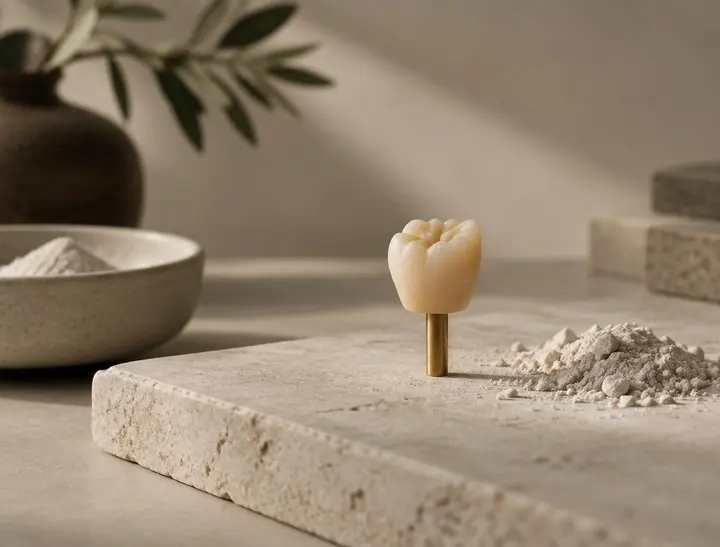
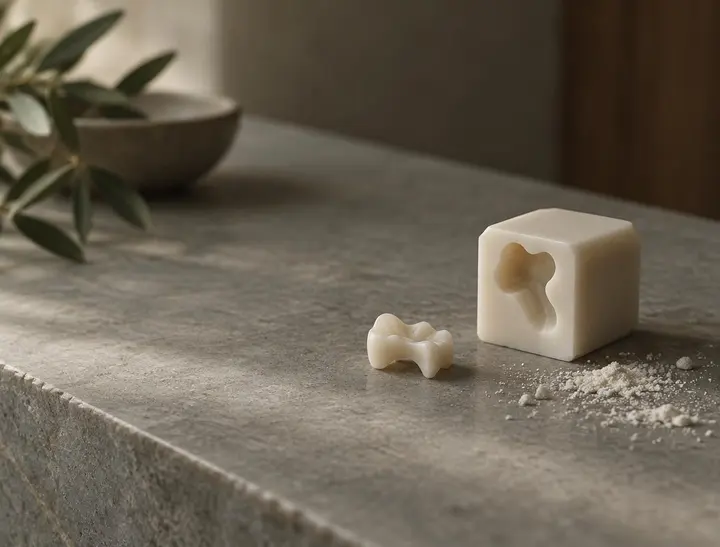
An inlay fits within the chewing surface; an onlay also covers one or more weakened tooth points.
Ceramic restorations may be milled from a ceramic block using a digital design or fabricated by a laboratory. Resin-containing bonding materials are typically used to secure them; ceramic does not mean the entire treatment is plastic-free.
How we assess whether it suits you
- Evaluate remaining walls and cracks.
- Check the nerve and surrounding gums.
- Assess bite forces and bonding conditions.
What the process involves
- 01
Remove decay and prepare the damaged area.
- 02
Take a digital scan instead of impression trays.
- 03
Design and fabricate the ceramic restoration.
- 04
Check fit, bond it and adjust your bite.
Alternatives worth asking about
- Dental crownMay be needed when more extensive protection is required.
- Composite fillingSuitable for some smaller defects.
Benefits
- Coverage tailored to the damaged area.
- A tooth-colored ceramic surface.
- Retention of suitable uncovered tooth structure.
Risks
- Ceramic or remaining tooth can fracture.
- Sensitivity or bond failure may occur.
Limitations
- Not every tooth can support partial coverage.
- Ceramic does not prevent new decay.
Timing
Some cases need a temporary restoration or multiple visits. Your clinician confirms the fabrication and fitting plan.
Recovery
Follow temporary-restoration instructions if applicable. Report persistent sensitivity or an uneven bite.
What affects the cost
- Extent of ceramic coverage.
- Preparation complexity.
- Temporary restoration requirements.
These factors explain the scope of care, not a Whole Tooth price quote. Assessment fees are separate from later treatment estimates, and the practice will publish its fees and policies before it opens.
Questions people ask
Is it always finished in one visit?
No. Clinical and fabrication needs determine the schedule.
Will I need numbing?
Preparation may require local anesthetic; your clinician explains beforehand.
Is ceramic unbreakable?
No. Heavy biting forces and grinding can damage it.
References
Sources for background information; not a record of clinical approval or individualized instructions.