What it is, and why you might discuss it
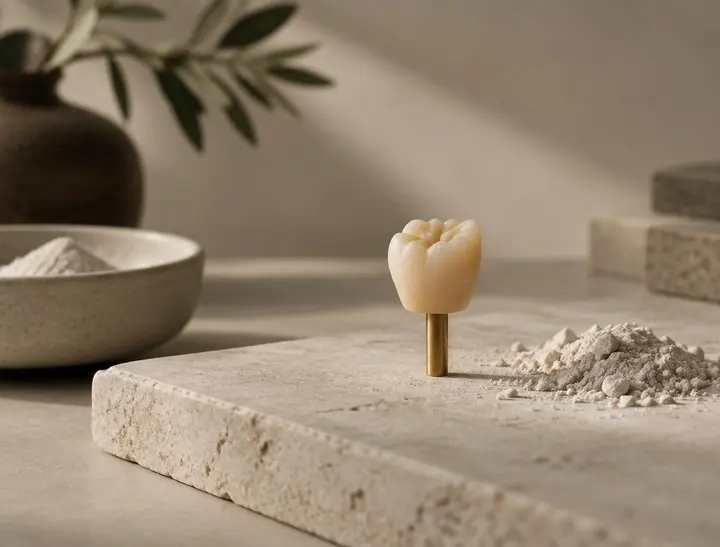
Treatment removes inflamed or infected pulp, the soft tissue containing nerves and blood vessels inside the tooth.
The canals are cleaned and sealed. A crown or onlay is usually planned afterward to protect the remaining tooth.
How we assess whether it suits you
- Review pain, swelling and tooth history.
- Test the tooth and examine appropriate X-rays.
- Check whether the tooth can be restored.
What the process involves
- 01
Numb and isolate the tooth.
- 02
Access and clean the internal canals.
- 03
Fill and seal the cleaned space.
- 04
Arrange the protective final restoration.
Alternatives worth asking about
- Extraction and replacement discussionIf the tooth cannot be retained, replacement options need separate assessment.
Benefits
- Removal of diseased internal tissue.
- A chance to retain your natural tooth.
- Support for restoring chewing function.
Risks
- Tenderness or a flare-up can occur.
- Complex canals may need specialist care.
- Persistent infection or fracture may require further treatment.
Limitations
- Saving the tooth is not guaranteed.
- Treatment does not replace the final protective restoration.
Timing
Canal anatomy and infection affect the number of visits. Your clinician confirms treatment and restoration scheduling.
Recovery
Some tenderness is possible. Avoid heavy chewing on an incompletely restored tooth and report worsening swelling or pain.
What affects the cost
- Tooth and canal complexity.
- Specialist involvement.
- Final restoration required.
These factors explain the scope of care, not a Whole Tooth price quote. Assessment fees are separate from later treatment estimates, and the practice will publish its fees and policies before it opens.
Questions people ask
Does root canal treatment hurt?
Modern techniques and local anesthetic support comfort, but experiences vary.
Can I wait until pain returns?
Pain can fade while infection remains; delay may worsen the problem.
Do antibiotics replace treatment?
They do not remove infected tissue inside the tooth.