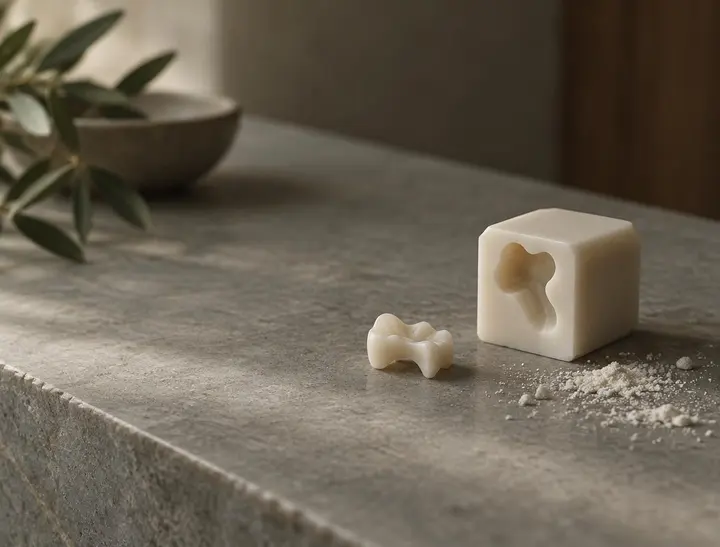
When a tooth has a larger area of damage, people often hear about two options: a filling or a crown. There is a middle ground worth knowing about. Inlays and onlays are custom-made restorations that replace a damaged part of a tooth while keeping more of the healthy structure than a full crown usually does.
What they are
- An inlay fits within the grooves and inner surfaces of a back tooth, much like a filling, but it is made as one solid piece and then bonded in place.
- An onlay also covers one or more of the tooth's cusps, the raised points on the chewing surface.
Both are often made from ceramic, a tooth-colored material that can be shaped to match the rest of your tooth.
When they may be discussed
An inlay or onlay may be worth considering when:
- A cavity or old filling is too large for a filling to be a good long-term choice.
- A cusp is weakened or cracked, but much of the tooth is still healthy.
- You would prefer a tooth-colored, metal-free option.
Whether one is appropriate depends on the size and location of the damage, your bite, and the condition of the rest of the tooth. Only an examination can tell.
Made in the office
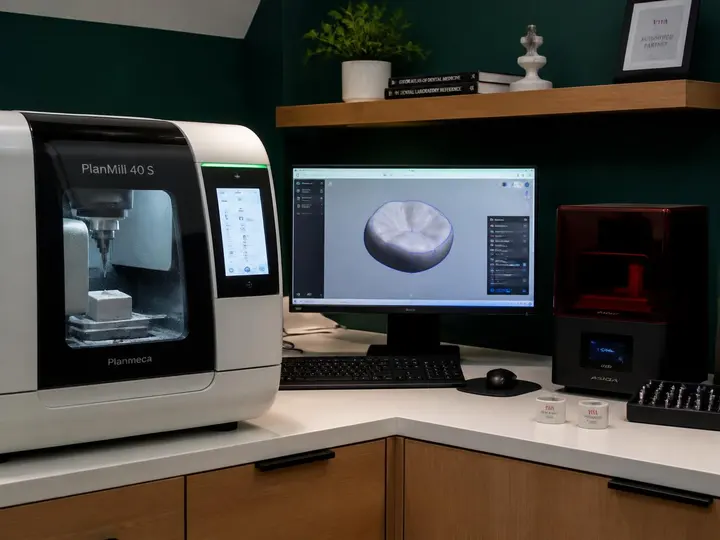
At Whole Tooth Dental we plan to design and mill ceramic inlays and onlays in our office, using digital scans rather than traditional impressions where appropriate. Depending on the case, that can mean fewer visits. We will explain the process and how many visits your treatment is likely to need.
A note on bonding materials
Ceramic restorations are attached with bonding materials, and those materials may contain resin. If material choices matter to you, ask. We will explain what is used and why.
Benefits and limitations
Like any restoration, inlays and onlays have benefits and limitations. They can conserve tooth structure and look natural, but they are not right for every tooth, and they need good home care and regular checkups to last. Read our patient guide to ceramic inlays and onlays for more.
This article is general information and does not replace an examination.