More people are asking about the materials that go into their mouths. Some prefer tooth-colored restorations for appearance. Others simply want to understand what they are choosing. "Metal-free" is a common phrase, so it helps to know what it covers.
The main materials
- Composite resin is a tooth-colored material used for many fillings and for bonding. It is shaped directly on the tooth and hardened with a light.
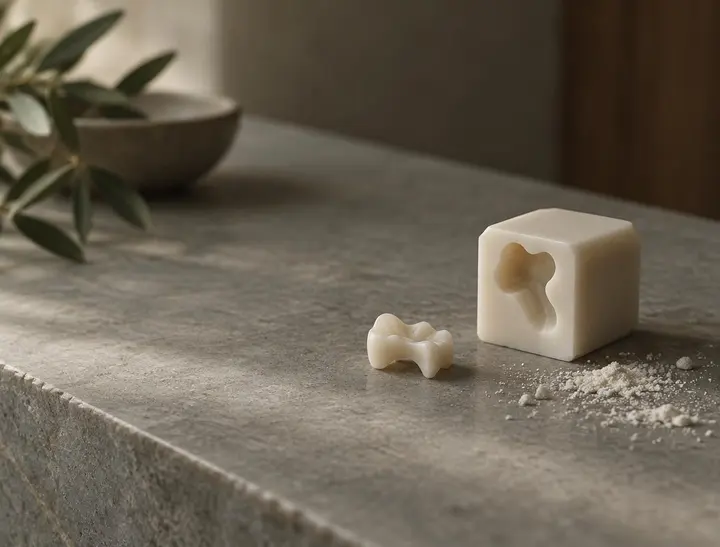
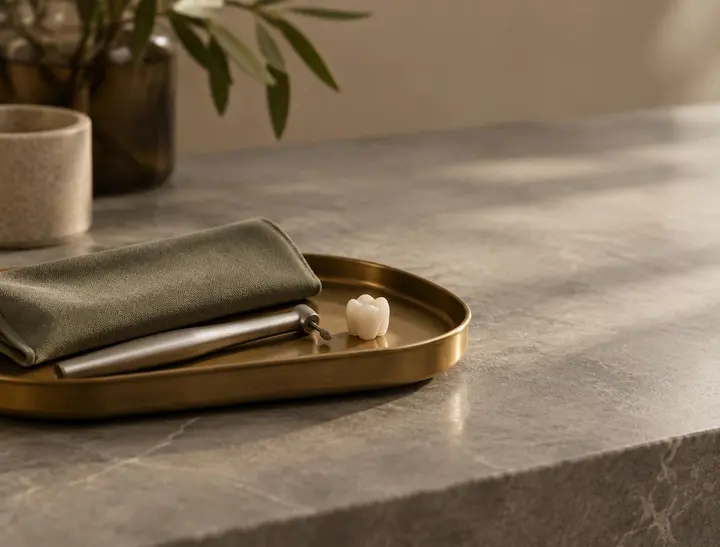
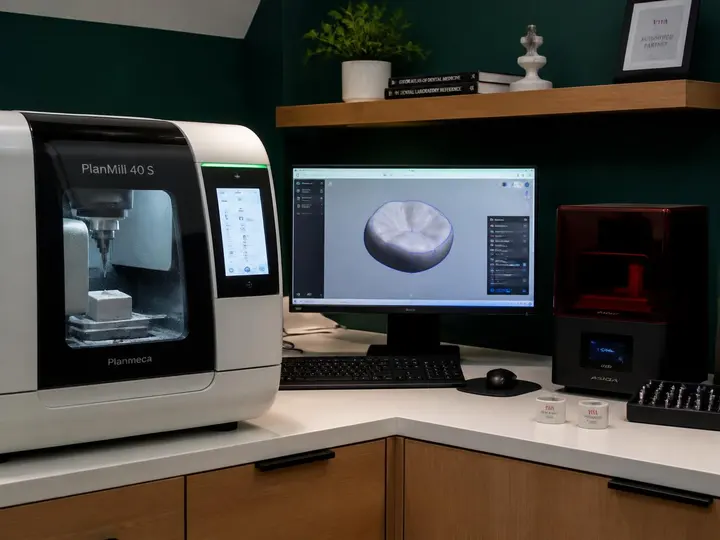
- Ceramics are used for inlays, onlays, crowns and veneers. They are made outside the mouth, either in a lab or milled in the office, then bonded to the tooth.
- Metal-based materials include amalgam (silver) fillings and metal or metal-backed crowns. They are durable and still widely used.
What metal-free can mean
When a practice describes a restoration as metal-free, it usually means the restoration itself contains no metal, such as an all-ceramic crown instead of a porcelain-fused-to-metal crown. At Whole Tooth Dental we plan to offer plastic- and metal-free ceramic options, including inlays and onlays designed and milled in our office.
What it does not mean
It is worth being precise. The bonding materials used to attach ceramic restorations may contain resin. A metal-free restoration is also not automatically the best choice for every tooth. Very heavy biting forces, the position of the tooth and how much tooth remains all affect what will last.
How to decide
Good questions to ask about any material:
- How long is it likely to last in this tooth?
- How does it handle my bite?
- How much healthy tooth needs to be removed to place it?
- What does maintenance look like?
We will explain each material and when it is appropriate, so the choice is yours and it is an informed one. Our guide to whole-person care covers how preferences and health history shape these conversations.
This article is general information and does not replace an examination.