Grinding and clenching, sometimes called bruxism, are common. They can happen during the day, often during concentration or stress, or at night during sleep, when most people have no idea it is happening.
Signs people notice
- Waking with a sore jaw, tired face muscles or a dull headache
- Teeth that look flatter, chipped or more worn than they used to
- Sensitivity to cold that seems to come and go
- A partner who hears grinding at night
- Clicking, popping or tightness in the jaw joint
None of these signs proves grinding on its own. Each has other possible causes, which is why an examination matters.
Why it is worth mentioning
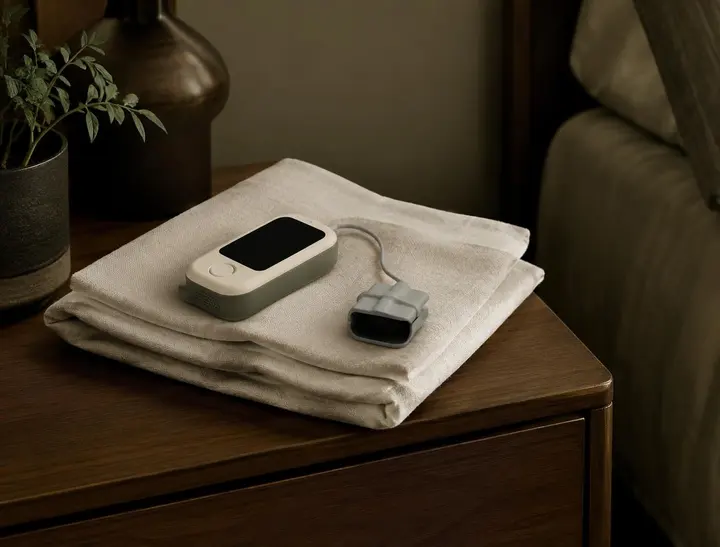
Over time, heavy grinding can wear enamel, crack teeth or fillings, and contribute to jaw discomfort. Night-time grinding can sometimes be linked with sleep concerns, including snoring and pauses in breathing, so it is worth mentioning if you also feel unrested.
What may help
Depending on what is found, options that are commonly discussed include:
- A custom night guard to protect the teeth
- Habits and awareness during the day, such as noticing a clenched jaw and relaxing it
- Evaluation of the jaw joint and muscles
- Screening for sleep-related breathing concerns when there are signs of them
Our guides to a TMJ evaluation and to night guards describe what we plan to discuss when Whole Tooth Dental opens in Plainview in fall 2027.
This article is general information and does not replace an examination. If you have severe jaw pain or cannot open or close your mouth, seek care promptly.