It can seem surprising to be asked about sleep at a dental visit. But dentists see the mouth, jaw and throat regularly, and some of what they notice can relate to how you breathe at night.
Why the questions come up
Loud, frequent snoring can be harmless, but it can also be a sign of obstructive sleep apnea, a condition in which the airway repeatedly narrows or closes during sleep. Sleep apnea is diagnosed by a physician, usually with a sleep study, not by a dentist. A dental visit can be one place where the possibility is first raised.
Things a dentist may notice or ask about include:
- Snoring, gasping or pauses in breathing that a partner has noticed
- Daytime sleepiness or waking unrefreshed
- Grinding and tooth wear
- The size and position of the tongue, tonsils and jaw
What a screening is, and is not
An airway screening is a set of questions and observations that helps decide whether a conversation with your physician may be worthwhile. It is not a diagnosis. If there are signs worth following up, the next step is usually a referral or a sleep study ordered through a physician.
Where dentistry can help
For some people diagnosed with sleep apnea, an oral appliance that gently holds the lower jaw forward during sleep is one treatment option. Whether it suits you is decided together with your physician.
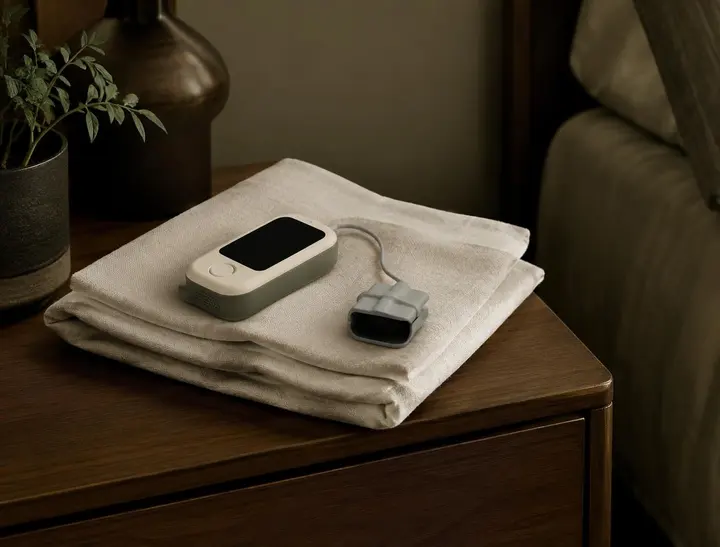
Our guides to an airway screening, snoring and sleep apnea and a home sleep study explain what we plan to offer when we open in Plainview in fall 2027.
This article is general information and does not replace medical or dental advice. If you are concerned about your sleep or breathing, talk with your physician.