 Illustrative
Mandibular Advancement Devices
Whole Tooth Dental is planning to open in Plainview, New York, in 2027. This guide provides general education. Sleep-related services and referral arrangements have not yet been confirmed.
Understanding oral appliances for snoring and obstructive sleep apnea.
 Illustrative
What is a mandibular advancement device?
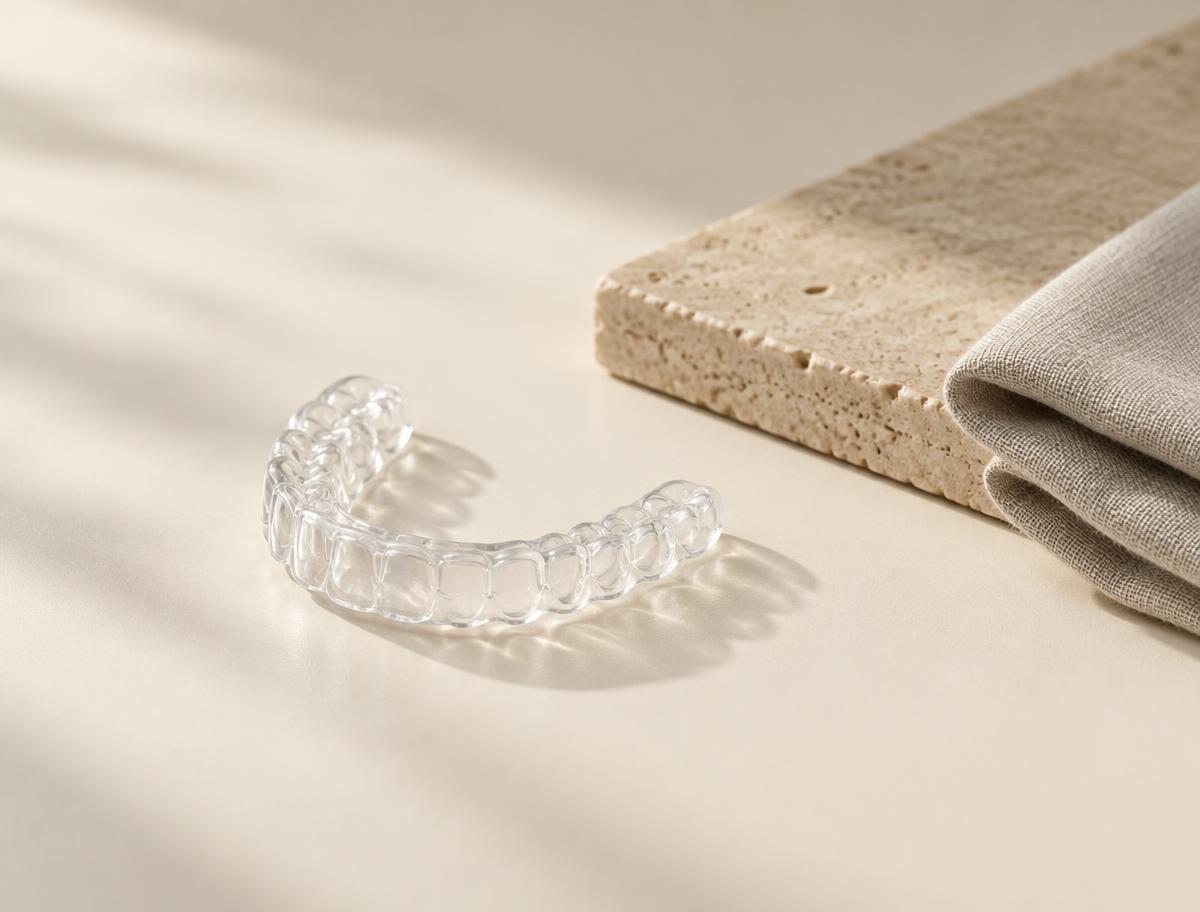
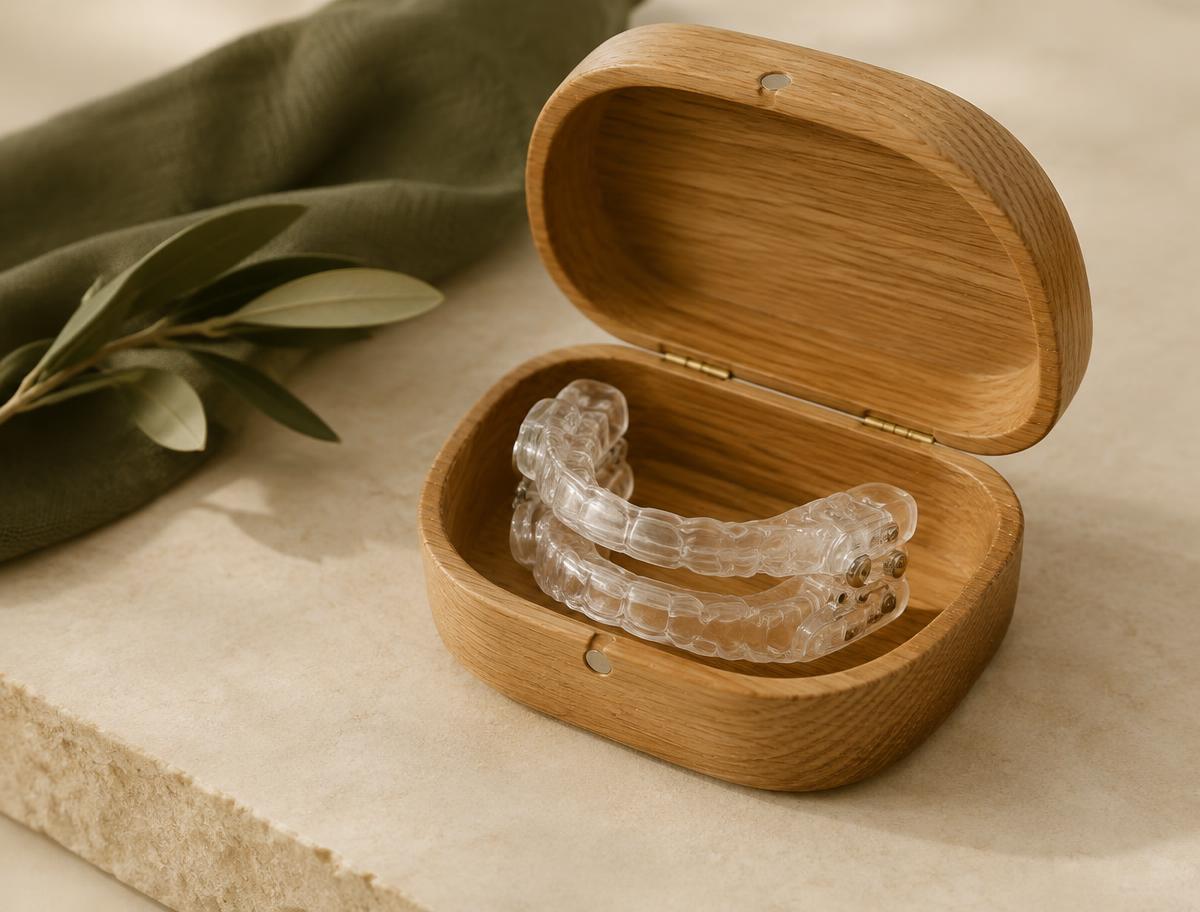
A mandibular advancement device, sometimes called a mandibular advancement splint or oral appliance, is worn in the mouth during sleep. It holds the lower jaw forward to help reduce narrowing of the upper airway. It is different from an ordinary night guard used to protect teeth from grinding. The design, purpose and follow-up are different. NHLBI: Sleep apnea treatment
Who might benefit?
An oral appliance may be considered for adults with obstructive sleep apnea who cannot tolerate CPAP or prefer an alternative, following discussion with their sleep clinician. It may also be considered for primary snoring after obstructive sleep apnea has been excluded. When prescribed for obstructive sleep apnea, professional guidance favors a custom, adjustable appliance fitted and monitored by a qualified dentist over a non-custom device. AASM/AADSM clinical practice guideline
How does it compare with CPAP?
CPAP generally reduces breathing interruptions and improves oxygen levels more effectively than oral appliances. An appliance can nevertheless be an appropriate option for selected patients. The choice depends on the clinical findings, treatment response and ability to use treatment consistently. AASM/AADSM clinical practice guideline
Important if you already use CPAP
Do not stop or change prescribed CPAP because you are considering an oral appliance or tongue exercises. Discuss any change with the clinician managing your sleep apnea. Feeling better or snoring less does not, by itself, confirm that sleep apnea is adequately controlled. If CPAP is uncomfortable or difficult to use, contact your sleep-care team for help with the problem and a plan suited to you.
What does assessment involve?
Bring your sleep-study results, current treatment information and questions to the consultation. Ask the treating dentist to explain how the condition of your teeth and gums, existing dental work, bite and jaw function affect the available appliance options. The assessment should also clarify who will coordinate medical follow-up and how treatment results will be checked.
What happens during treatment?
Treatment commonly involves records or scans, appliance fitting, instructions for use and gradual adjustments. The sequence and number of visits depend on the appliance and the individual treatment plan. AADSM: Oral appliance patient resources Follow-up sleep testing is recommended to assess effectiveness. Continuing visits with the dentist and sleep clinician help monitor treatment and dental changes. AASM/AADSM clinical practice guideline
What are the possible side effects?
Possible effects include tooth or jaw discomfort, changes in saliva, dry mouth and changes in how the teeth meet. Tooth movement and lasting bite changes can occur. An appliance can also wear or break. Report persistent discomfort or a changing bite to the treating dentist. Monitoring and adjustments can help manage problems, but they do not guarantee that side effects will be avoided. AADSM: Oral appliance patient resources
How long does it take?
Ask for a timeline that covers appliance manufacture, fitting, adjustments and follow-up testing—not just the delivery appointment. Whole Tooth has not confirmed a treatment schedule for this service.
What affects the cost?
Before starting, ask for an itemized estimate explaining whether the following are included: • Dental assessment and records. • The appliance and laboratory work. • Fitting and adjustment appointments. • Ongoing reviews, repairs and replacement. • Medical appointments and sleep testing. Whole Tooth’s fees and insurance arrangements for this service have not been confirmed. Ask your insurer about coverage rather than assuming it is included under a dental or medical plan.
Frequently asked questions
Related guides
- Read the guide
Sleep Apnea & Snoring
Where dentistry fits in sleep-disordered breathing — screening, referral, and two dental treatment options once a diagnosis exists.
- Read the guide
Myofunctional Therapy
Guided exercises and habit training for selected oral movement and resting patterns. Assessment determines whether therapy is appropriate.
- Read the guide
Home Sleep Study Screening
A simple overnight test worn in your own bed, used as a screening to support referral and coordinated care with your physician.