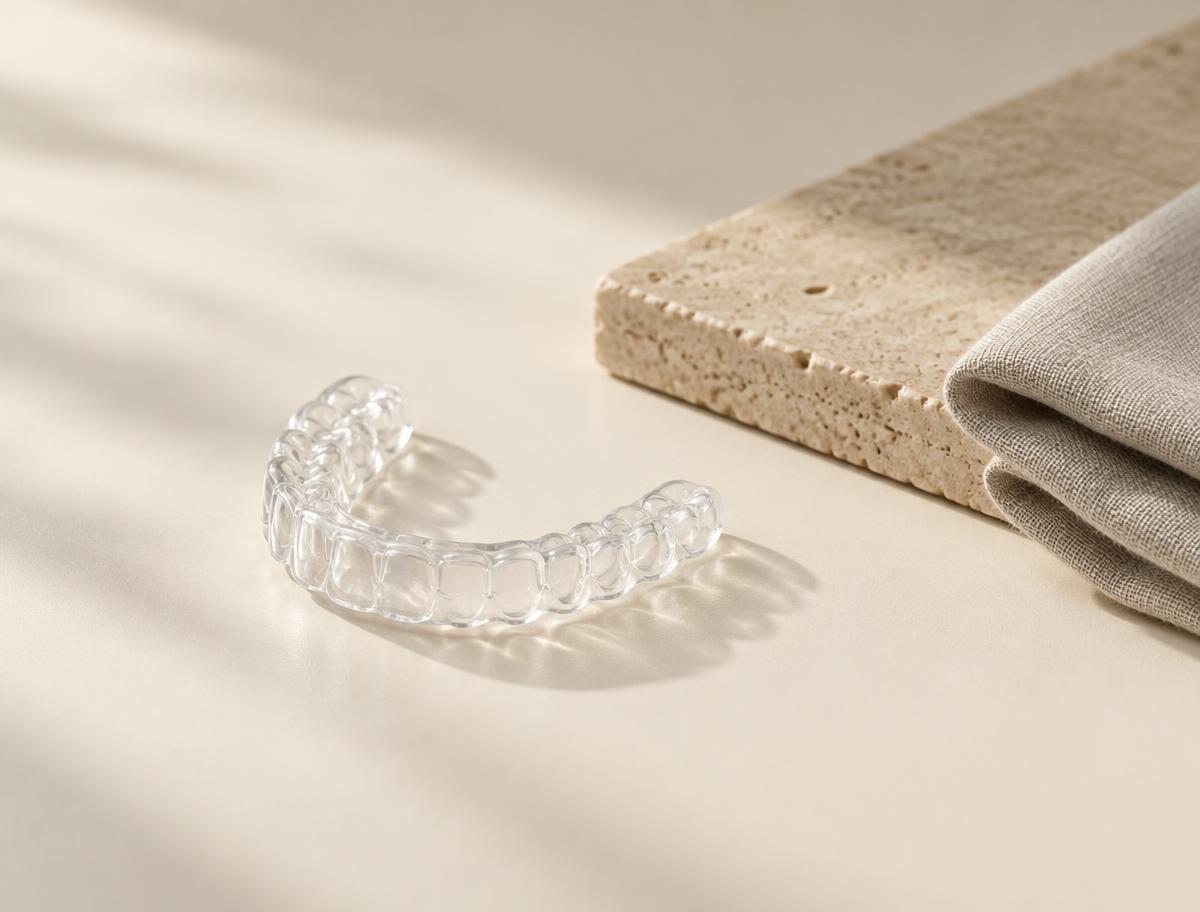
 Illustrative
TMJ & Occlusal Evaluation
Planned opening 2027. We are not yet treating patients. These guides are educational; availability and treatment details require confirmation.
Explore how your jaw joints, muscles, and bite work together when clicking, soreness, headaches, or tooth wear need assessment.
At Whole Tooth Dental, your symptoms guide an evaluation rather than an assumption that your bite is the cause.
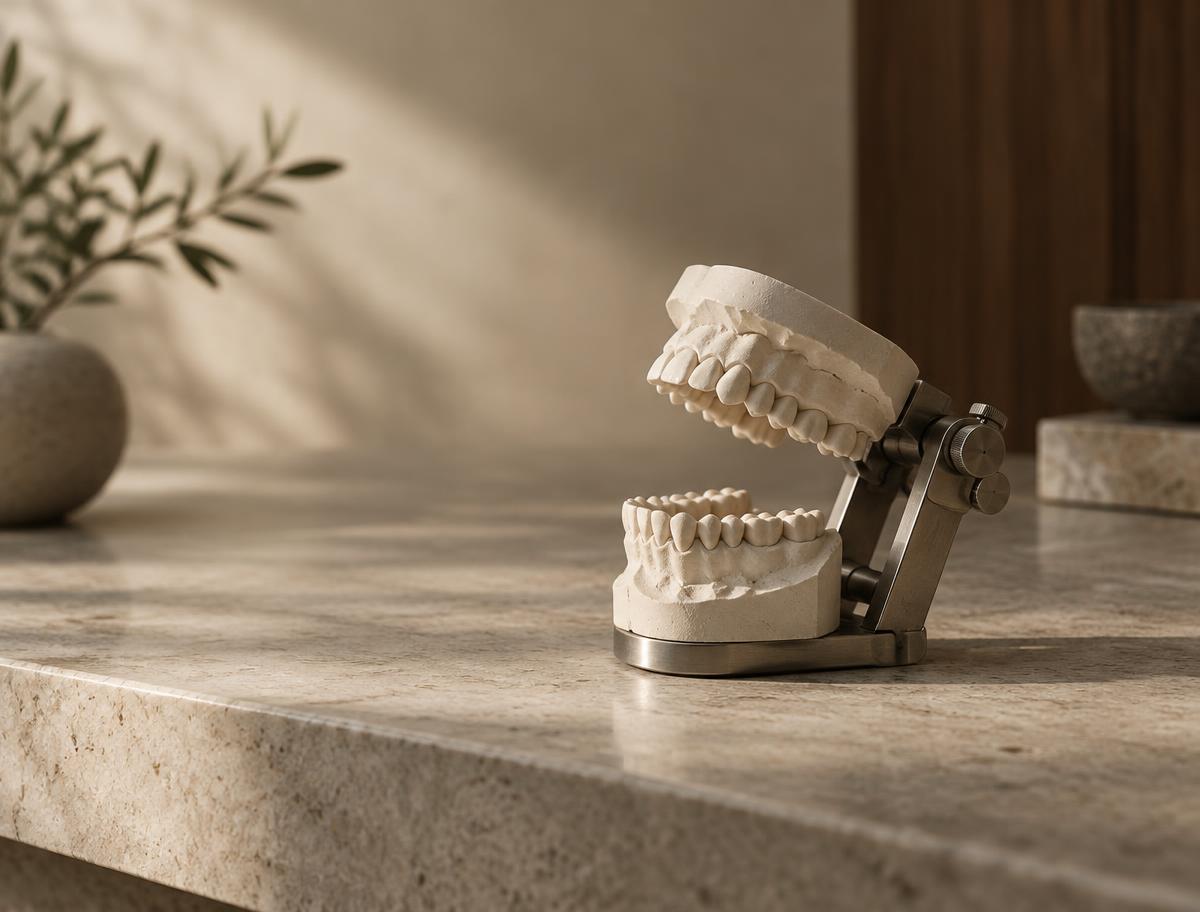 Illustrative
What it is, and why you might discuss it
- TMJ means jaw joint; occlusion describes how your teeth meet.
- Pain, clicking, headaches, and wear may involve joints, muscles, or other causes.
How we assess whether it suits you
- Discuss symptoms, triggers, medical history, and jaw habits.
- Examine movement, joint sounds, muscle tenderness, and tooth contacts.
- Consider imaging or referral when findings warrant it.
What the process involves
- 01Explain findings and any uncertainty about the source.
- 02Begin with conservative measures and monitoring.
- 03Consider splint therapy or deprogramming to assess muscle-influenced contacts.
- 04Coordinate further care; consider selective tooth adjustment only with clear justification.
Alternatives worth asking about
- Night guard
May protect teeth but does not address every source of jaw symptoms.
Benefits
- Documents jaw function and tooth wear.
- Helps distinguish possible contributors.
- Supports staged decisions rather than immediate irreversible treatment.
Risks
- Examination can briefly provoke tenderness.
- An appliance can alter symptoms or tooth contacts and needs review.
Limitations
- Evaluation may not identify one clear cause.
- Jaw care cannot guarantee symptom relief.
Timing
Further records and referrals affect the assessment pathway. Your clinician explains when reassessment is useful.
Recovery
Usually no recovery is needed after examination. Mention any lingering discomfort.
What affects the cost
These factors explain the scope of care, not a Whole Tooth price quote. Assessment fees are separate from later treatment estimates. Whole Tooth’s fees and disclosure policy require confirmation; ask about applicable assessment charges before arranging a visit.
- Diagnostic records needed.
- Imaging indications.
- Scope of the jaw-function assessment and review of findings; subsequent treatment is separate.
Questions people ask
References
Sources for background information; not a record of clinical approval or individualized instructions.
Related guides
- Read the guide
Night Guards
Protect teeth from nighttime grinding with a custom-fitted guard, supported by bite adjustments and ongoing checks for wear.
- Read the guide
Comprehensive Exam
Understand your teeth, gums, bite and jaw health through a thorough examination, clear records and a conversation about priorities.
- Read the guide
Airway & Sleep Screening
Review oral findings and sleep symptoms that may warrant medical sleep testing, without treating a dental screening as a diagnosis.