 Illustrative
TMJ Botox Therapy
Planned opening 2027. We are not yet treating patients. These guides are educational; availability and treatment details require confirmation.
Small therapeutic injections into overworked jaw muscles to ease clenching, grinding pain and tension headaches.
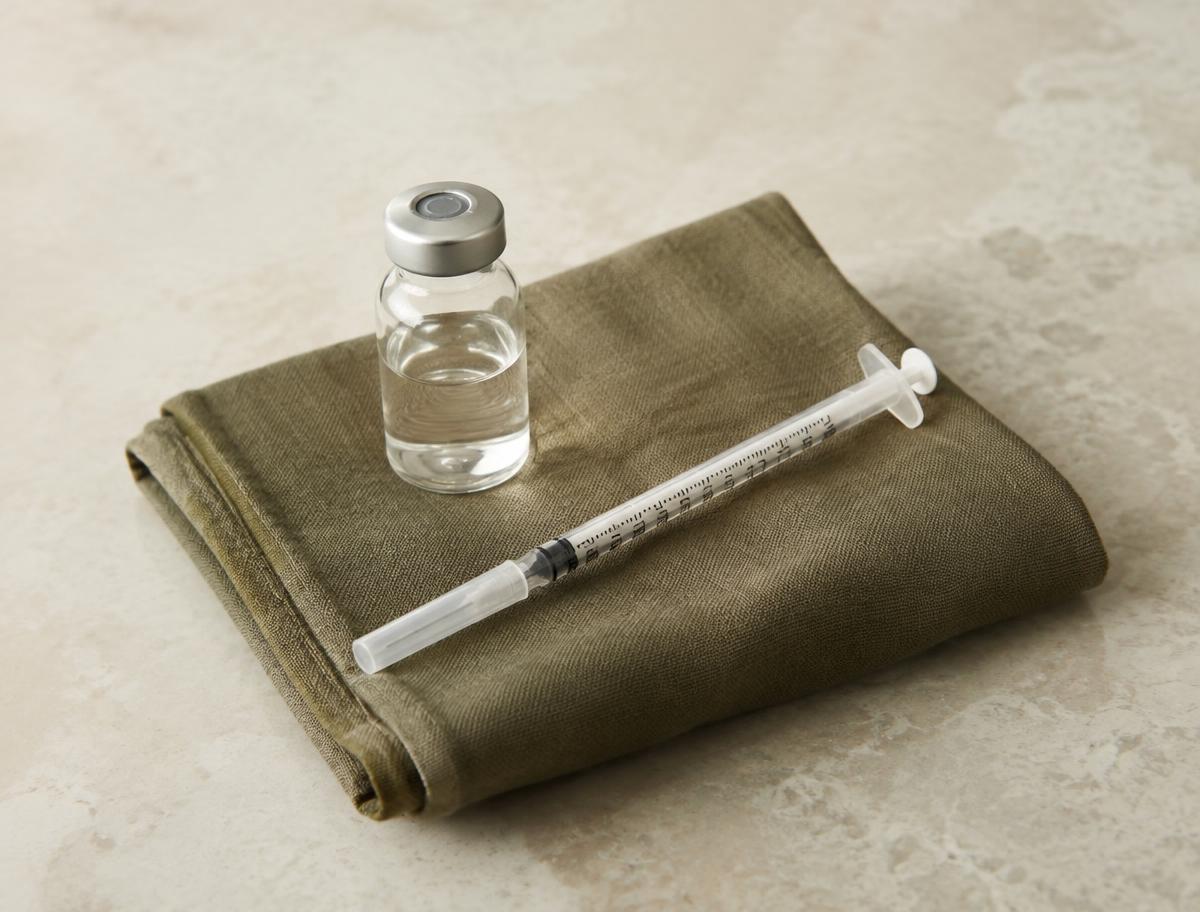
When the jaw muscles stay clenched day and night, botulinum toxin (Botox) can relax them. A few precise injections into the masseter and temporalis muscles reduce the force of clenching, which can ease soreness, headaches and wear — used as one part of a jaw plan, not on its own.
 Illustrative
What it is, and why you might discuss it
- Botox temporarily blocks the signal from nerve to muscle, so the treated muscle contracts less forcefully. The muscle still works for talking and chewing.
- In jaw care it is aimed at the masseter (cheek) and temporalis (temple) muscles that drive clenching and grinding.
- Use for TMD and bruxism is off-label. Study results are mixed, and effectiveness for TMD symptoms remains uncertain.
- It is not a routine first treatment for jaw pain. Assessment and conservative, reversible options should be discussed before considering injections.
How we assess whether it suits you
- A jaw examination to confirm the pain is muscular rather than coming from the joint itself or a tooth.
- A medical history review; Botox is not used in pregnancy, while breastfeeding, or with certain neuromuscular conditions.
- Agreement on realistic goals and how results will be measured.
What the process involves
- 01The muscles are located by touch while you clench.
- 02A few small injections are placed with a fine needle; the visit is short.
- 03Effects build over one to two weeks and are reviewed at a follow-up.
- 04Treatment is typically repeated every three to four months if it is helping.
Alternatives worth asking about
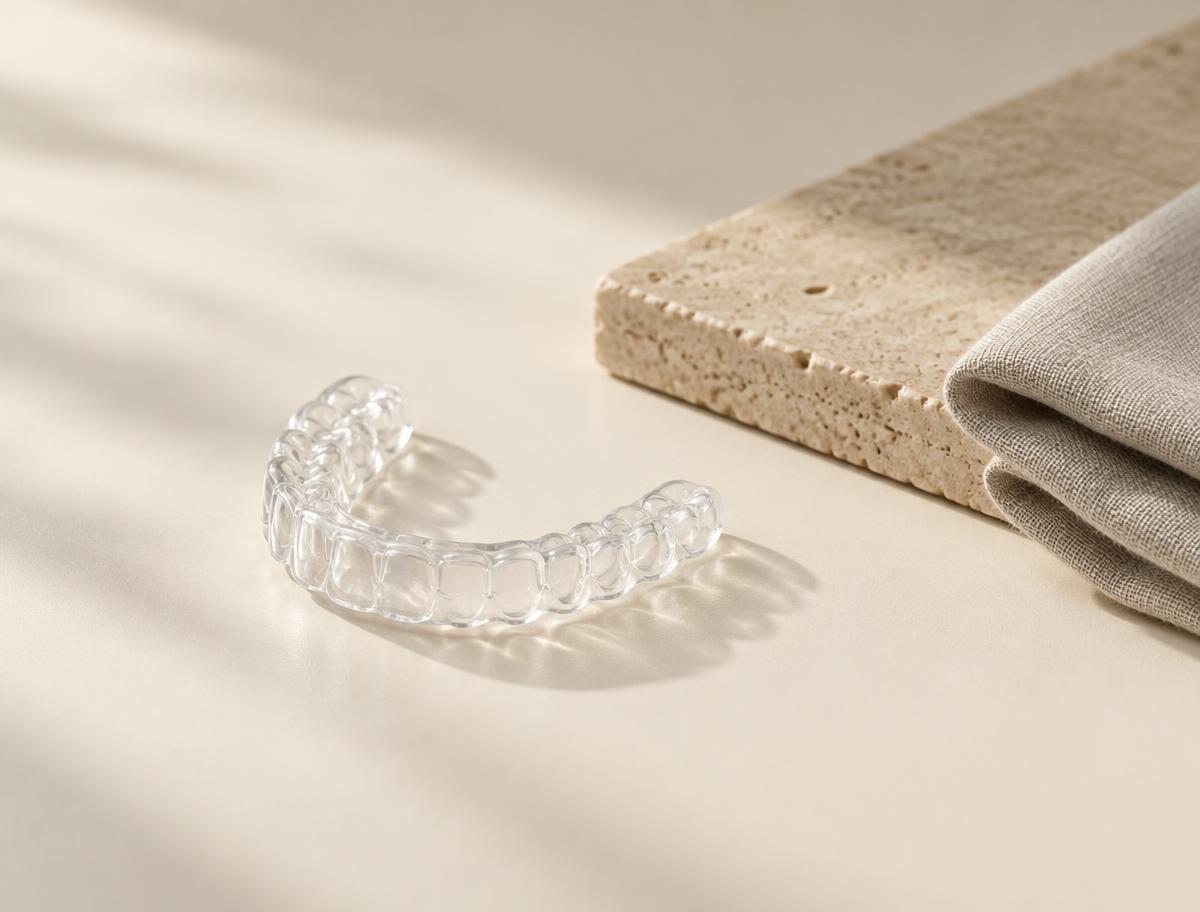
- A night guard
Protects the teeth and reduces overnight load.
- TMJ & jaw muscle massage
Hands-on, drug-free relief for tight muscles.
- A jaw assessment first
Confirms whether muscles are the source.
Benefits
- Can reduce jaw muscle pain, clenching force and tension headaches.
- Quick visit with no downtime.
- May slow tooth wear and protect restorations from grinding.
Risks
- Temporary bruising or tenderness at the injection site.
- Occasionally a temporarily weaker chew or an uneven smile if it spreads.
- Repeated treatment can slim the masseter muscle over time.
Limitations
- Effects are temporary and wear off over months.
- Does not treat a displaced disc or arthritic joint.
- Does not treat sleep apnea — if grinding is linked to breathing, that is addressed separately.
Timing
About 15 to 30 minutes; effects appear within one to two weeks.
Recovery
Normal activities the same day; avoid rubbing the area or strenuous exercise for 24 hours.
What affects the cost
These factors explain the scope of care, not a Whole Tooth price quote. Assessment fees are separate from later treatment estimates. Whole Tooth’s fees and disclosure policy require confirmation; ask about applicable assessment charges before arranging a visit.
- Clinical assessment and the amount of medication proposed.
- Muscles and injection sites treated, and follow-up or repeat treatment if appropriate.
Questions people ask
References
Sources for background information; not a record of clinical approval or individualized instructions.
Related guides
- Read the guide
TMJ & Jaw Muscle Massage
Hands-on treatment for the jaw muscles that tighten from clenching, grinding and everyday tension.
- Read the guide
Night Guards
Protect teeth from nighttime grinding with a custom-fitted guard, supported by bite adjustments and ongoing checks for wear.
- Read the guide
TMJ & Occlusal Evaluation
Explore how your jaw joints, muscles, and bite work together when clicking, soreness, headaches, or tooth wear need assessment.
- Read the guide
Sleep Apnea & Snoring
Where dentistry fits in sleep-disordered breathing — screening, referral, and two dental treatment options once a diagnosis exists.